
The recent furore surrounding the PISA rankings will have been background noise for most teachers. Politicians and the media home in on “the league tables” as if our children’s education is a spectator sport.
Headlines decry falling standards and demand we get “back to basics”. This might provide political capital for some. But it undermines the good work our schools are doing. And it is a distraction from the very real challenges teachers confront day-in, day-out.
The PISA rankings give a small snapshot test of 15 year-olds, every third year, from Albania to Zambia. You can’t judge a child on single test. Likewise, it’s impossible to judge an entire education system from an isolated data grab or by simplistic comparisons with other countries with different systems.
We need to take an objective look at the PISA data in the round, and in context.
Poverty and inequality pose massive barriers to learning for too many pupils. 1 in 4 children nationally grow up in poverty, but for many teachers, it’s the majority of children in their class: young people experiencing hunger, stress, homelessness.
The PISA data suggests that the effects of poverty on attainment and achievement in some areas are lessening somewhat. That reflects the quality of teaching, but also the commitment of teachers and headteachers to mitigate poverty.
It certainly does not reflect a significant decrease in poverty which underpins a myriad of other issues impacting schools, including behaviour, attendance and learning progression.
Rather than use PISA as a political football, it should be used to better understand the challenges we face and inform how to put them right.
PISA tells us that, overwhelmingly, children have positive learning experiences in Scotland’s schools. But we expect attention will fall on the reported longer-term, albeit uneven, declines in performance in mathematics, science and reading.
Teachers will be concerned about this, of course, but the last thing they need is ill-informed political interventions, or half-baked comparisons with neighbouring countries, on the back of one data set.
PISA is clear that reading – which is fundamental to learning across the curriculum – is a matter of concern internationally with increased digitalisation, longer screen time and falling rates of reading for enjoyment impacting children and young people’s learning skills.
That will be no surprise to any teacher or parent. Rather than use PISA as a political football, it should be used to better understand the challenges we face and inform how to put them right.
For example, when over 43% of pupils feel school leaves them unprepared for adult life, the system needs to ask whether the continuing emphasis on high-stakes exams in senior secondary is working for all learners, and why calls for reform have not been acted upon.
Additionally, the finding that over 50% of head teachers feel learning is hindered by staff shortages will chime with many teachers. But it must ring alarm bells for councils and the Scottish Government.
Teachers are already working over 11 extra hours a week with levels of additional support now at 43% in mainstream classes, and rising levels of violence and aggression. It is a vicious circle.
I have known colleagues who have been made ill by these conditions and who have left or are thinking of leaving the profession. And how many graduates, are willing to replace them, in the knowledge that they are likely to spend months or years on the supply register, without the prospect of a permanent post?
Political posturing is customary around PISA results. But our children don’t need posturing. They need highly trained and qualified teachers in front of classes, with time and space to meet the needs of all our learners.
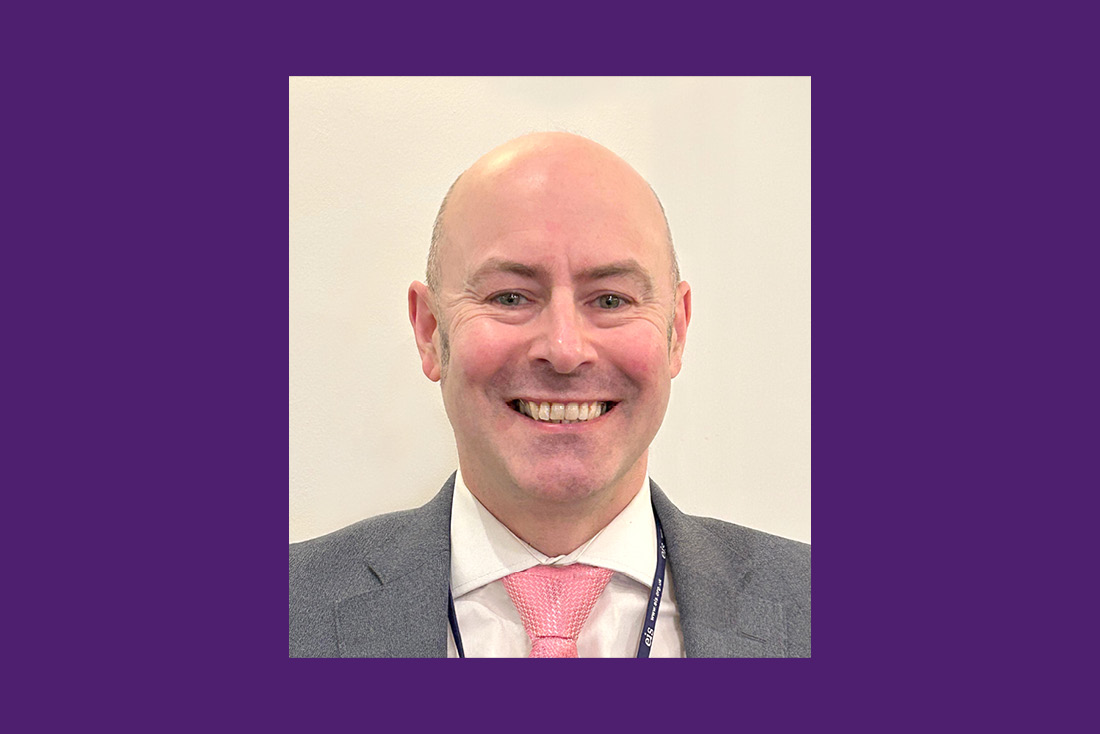
-Andy Harvey, EIS Officer for Secondary Education